
Smartphone revolution has influenced the communication, work and life patterns. Technology giants already are looking beyond normal devices. Their goal is to create ecosystems in which AI, wearable computing and spatial technology become seamlessly part of everyday life. The change is not just a development of change, it is a technological jump.
This change is brought by innovation. Firms like Apple, Google, and Meta are investing heavily in augmented reality, AI devices, and neural interfaces. They want to make technology feel more familiar and engaging. This way, the experience becomes more natural, so users won’t depend only on monitors.
This is also being affected by consumer behavior. The users expect the convenience, efficiency as well as the experiences that do not involve tapping on glass. Remote working, immersions, and smart home tech create a space for new innovations after smartphones.
The reason Tech Giants are no longer about Smartphones.
The mobile phone saturation is a major external force. Use across the globe has hit a level and users are not excited by the slightest advancements. Tech firms know they need disruptive changes, not just small hardware upgrades.
A synthetic intelligence is an accelerator. AI in gadgets helps businesses understand their customers, automate tasks, and create seamless experiences. Intelligent, predictive computers are becoming essential in our daily lives. They are replacing traditional phones as the main hub.
Economic motivators are obvious. Tech giants can sustain revenues and influence in the market by developing novel categories of products. Wearables, AR glasses, and ambient computing devices offer great profit potential. They also create new ecosystems for services.
Essential Technologies to the Future of the Post-Smartphone.
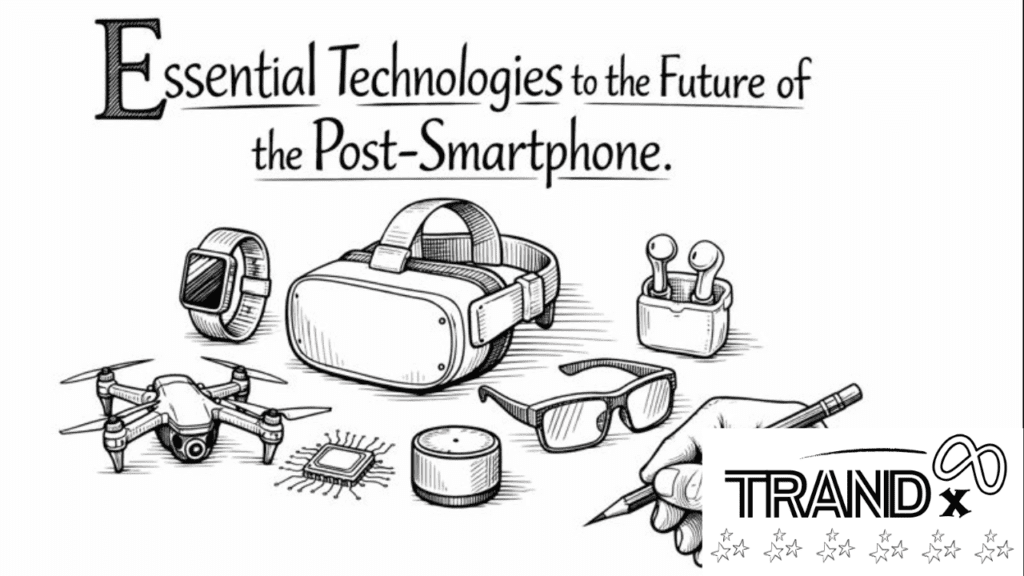
AR Displays and Smart glasses.
The smart glasses are developing to show the contextual information in the line of sight of the user. They do not distract like phones because they display glanceable data instantly.
Long Reality (XR) Headsets
XR headsets integrate real and virtual worlds in games, group work and education. They let people communicate naturally in the digital space. This opens up new ways to learn and be productive.
Ambient Computing and Arthurificial Intelligence Assistants.
Ambient computing means putting AI into our surroundings. This helps devices respond to situations and user actions. In buildings and offices, intelligent assistants are able to make complicated activities easier.
Neural Interfaces and Wearable BCIs.
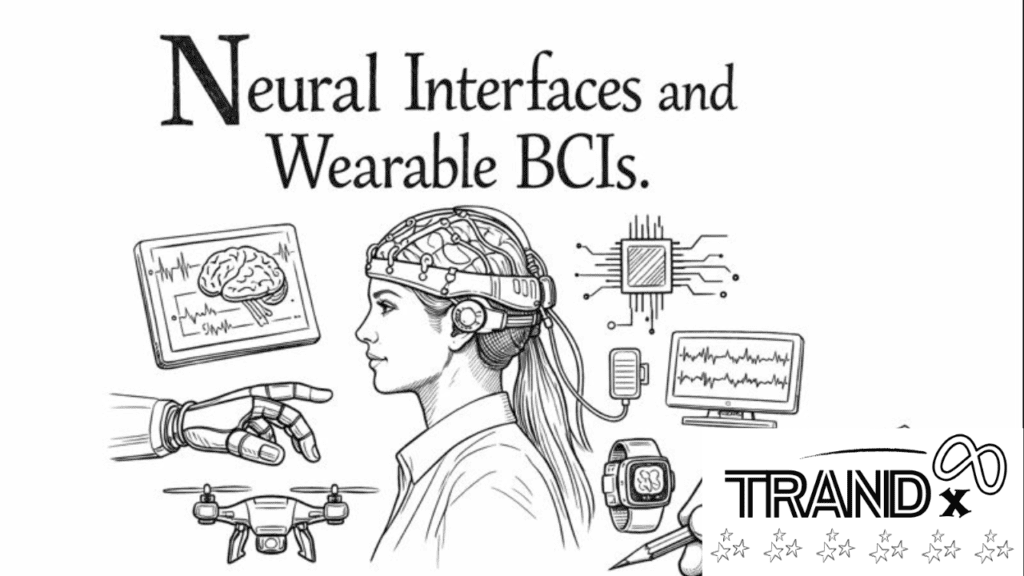
Brain-computer interfaces (BCIs), also known as neural interfaces, may reshape the human-technology interface. Brain-to-brain communication provides physical contact-free control and feedback.
What technology giants are creating.
Apple is leading in spatial computing. They aim to create immersive spaces with seamless AR integration. Android XR is integrated with AI-powered ecosystems at Google. Meta deals with smart glasses and virtual workspace cooperation. Samsung teams up with other companies for hardware development. Also, Amazon uses Alexa to connect with wearables. Jio has launched affordable AR wearables in new markets. Meanwhile, Microsoft is looking into holographic workspaces.
These inventions aren’t just future fantasies. They’re being developed and tested in real life, slowly entering consumer markets. The focus on usability, accessibility, and integration with the ecosystem is aimed at adoption by companies.
Real-World Use Cases
Enterprise Applications and Professional applications.
It is useful to companies in terms of VR meetings, virtual training, and spatial productivity. After-smartphone technology improves teamwork and decision-making.
Healthcare and Accessibility.
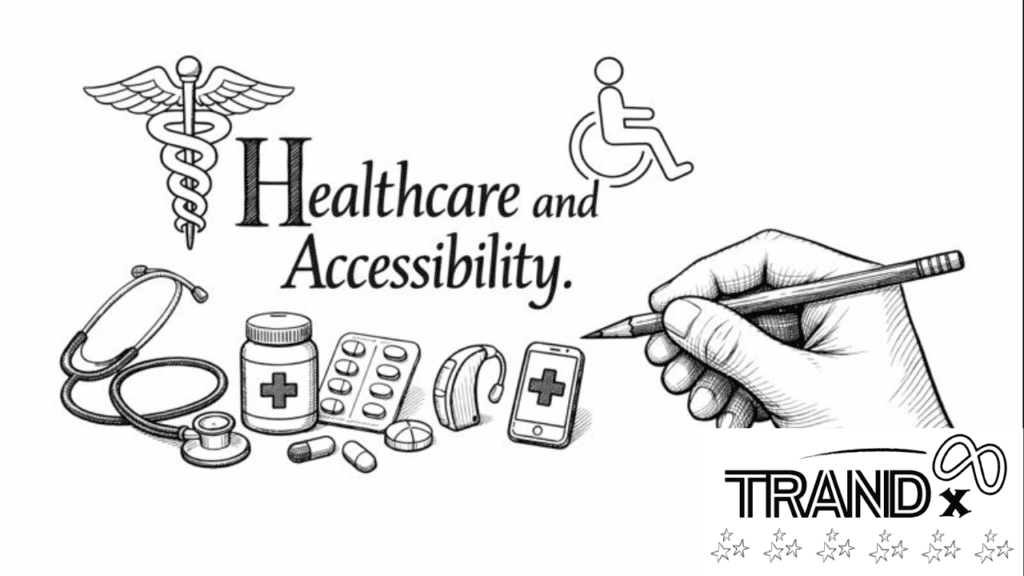
Neural interfaces and wearables support people with disabilities and provide them with real-time help, enhanced mobility, and health.
Lifestyle Integration among consumers.
AR devices are intelligent and make shopping, entertainment, and communication easier. Gaming and intelligent cooks are but some of the devices that are integrated into our lives.
Societal and Ethical Impact
Privacy and information security are paramount. In a world full of sensors and AI helpers, protecting privacy is the top concern. Digital dependency and algorithm bias have to be handled in a responsible manner to make their use ethical.
The regulatory systems are changing gradually. Businesses must balance innovation and compliance. Products need to be safe and offer meaningful experiences.
Weaknesses Slackening Mass Adoption.
Very expensive is another obstacle to consumers. Other obstacles are battery life, comfort, and content ecosystem maturity. It will need long-lasting, affordable, and easy-to-use solutions.
The conclusion: The Gradual Revolution.
The era of post-smartphone is not close but it is bound to happen. The tech giants are shaping a future with immersive, smart, and connected computing. These companies are reshaping human interaction with technology by focusing on usability, accessibility and innovation through artificial intelligence.
FAQs
So, what is meant by tech giants envision future beyond smartphones?
It describes how big companies create devices and ecosystems beyond regular smartphones. This includes areas like AI, AR, and wearable tech.
Which are the major companies that are driving this change?
The contributors to the post-smartphone innovations are Apple, Google, Meta, Microsoft, Samsung, Amazon, and Jio.
What will be used to substitute smartphones?
The key platforms of the post-smartphone landscape include smart glasses, XR headsets, AI assistants, and neural interfaces.
What will be the benefits that consumers will get through these technologies?
The users will enjoy a smooth, user-friendly computing, more convenient access and more productivity in their day-to-day life.
Can these technologies be found currently?
Other devices are in early markets or trials and will likely be popular in the next ten years.
What are the obstacles to large scale implementation?
The major challenges are high prices, battery duration, device comfort and maturity of content ecosystem.
Will the technologies have an impact on privacy?
Yes. Firms should adopt effective security and ethical data management systems to safeguard the users.
What is the place of AI and ambient computing in the post-smartphone world?
AI foresees the needs and automatizes processes, whereas ambient computing unites devices in the setting.
Is post-smartphone technology able to enhance professional working processes?
Absolutely. Some of the benefits at the workplace are VR meetings, spatial collaboration, and immersive training.
When will smart phones become a thing of the past?
Smartphones will probably be able to keep on with the times yet post-smartphone technologies will slowly take over the day to day life.